
Oil-Free Cooking on a Plant-Based Diet: Do You Really Need to Avoid Oils?

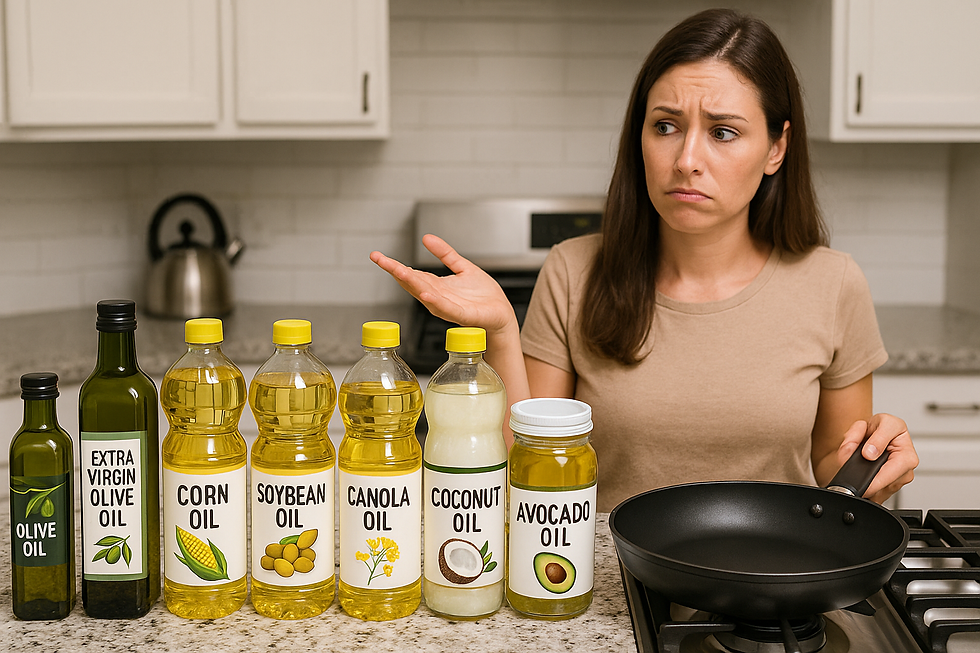
You have probably heard friends in whole‑food plant‑based (WFPB) circles swear that “a drop of oil will clog your arteries,” while Mediterranean‑diet fans defend extra‑virgin olive oil (EVOO) as liquid gold. Welcome to the no‑oil debate—one of the hottest topics in plant‑based nutrition. In this guide you will learn what the latest science says, how to cook flavorful meals without added oil, and whether skipping oil is right for you. By the end you will have a clear, actionable plan and resources from Janie Priest RN to help you thrive with Oil-Free Cooking on a Plant-Based Diet.
The No‑Oil Debate: Why It Matters
Going oil‑free is more than a social‑media trend. Google searches for oil free cooking and plant based diet without oil have doubled since 2023. Calorie density is part of the story: one tablespoon of any oil delivers 120 calories, zero fiber and minimal micronutrients, while the same calories of strawberries fill a whole cup. When your goal is weight control or lowering cholesterol, those “invisible” calories add up quickly.
Social Buzz and Search Trends
Influencers highlight spectacular weight‑loss journeys and heart‑disease reversals after ditching oil. Yet a quick SERP review shows confusion: some blogs demonize all oils, others promote EVOO as heart‑healthy. Featured snippets often answer “How to cook without oil” with simple water‑sauté instructions, but very few articles are written by medical professionals—a gap this blog fills.
Calorie Density and Fiber Gap
Oil is a refined fraction of a plant, stripped of fiber, protein and most vitamins. That lack of bulk keeps you from feeling full, which can drive overeating. Whole seeds or nuts supply healthy fats plus satiety‑boosting fiber and antioxidants.
What the Research Really Shows About Oil and Health
Conflicting headlines can leave you spinning, so let’s look at peer‑reviewed data from the past two years.
Omega‑6, Omega‑3 and Inflammation
An imbalanced ratio of Omega‑6 to Omega‑3 fats may fuel chronic inflammation linked to autoimmune flares. Vegetable oils such as corn, soybean and sunflower contain far more Omega‑6 than Omega‑3. Harvard Health notes that Omega‑6 fats can still lower LDL cholesterol, but only when balanced with sufficient Omega‑3 intake (Harvard Health overview).
Common High Omega‑6 Oils to Limit
Corn oil
Soybean oil
Sunflower oil
Cottonseed oil
Peanut oil
Choosing walnuts, chia or flax keeps your ratio in check.
Whole‑Food Fats That Support Hormone Balance
Avocado, tahini, hemp seeds and ground flaxseed supply alpha‑linolenic acid, magnesium and plant sterols that assist hormone synthesis, energy metabolism and skin health. They also keep you fuller longer—a key advantage when monitoring caloric intake.
Cardiovascular and Metabolic Findings
A 2024 randomized crossover trial compared low‑EVOO and high‑EVOO versions of a plant‑based diet. Both groups improved, but the low‑oil group saw larger LDL‑cholesterol drops (PubMed study). Meanwhile, a 2025 30‑year cohort study involving 200 000 participants reported a 17 percent lower mortality risk when butter was replaced with plant oils (Mass General Brigham press release).
Weight Management: The Hidden Calorie Problem
Because oil packs nine calories per gram, even a modest drizzle can sabotage a weight‑loss plan. Replacing oil with broth or pureed vegetables not only saves calories but adds nutrient density, helping you feel satisfied.
Olive Oil Under the Microscope
Olive oil enjoys a heart‑healthy halo, thanks to its polyphenol content. But does that justify pouring it on everything?
The Polyphenol Argument
Cold‑pressed EVOO contains antioxidant compounds, yet those same polyphenols are also present in the whole olive, where they come packaged with gut‑friendly fiber. If you love the flavor, aim for a light drizzle rather than a deep fry.
Smoke Points and Oxidation
High‑heat sautéing or frying pushes oils past their smoke point, forming aldehydes that can irritate blood vessels. Baking or roasting at lower temperatures, or better yet steam‑frying with broth, avoids this risk and keeps kitchen air cleaner.
Practical Techniques for Cooking Without Oil
Ready to try an oil‑free sauté? These methods deliver crisp textures and bold flavors.
Sauté, Steam‑Fry and Air Fry Basics
Start with a splash of vegetable broth or water in a hot pan, then add aromatics. For browning, let vegetables sit until they release naturally before stirring. An air fryer achieves that coveted crunch with circulating dry heat, no spray needed.
Oil‑Free Baking and Roasting Hacks
Substitute applesauce or mashed banana for oil in cakes and muffins to lock in moisture. For roasted veggies, toss them with a tablespoon of tahini diluted in lemon juice for caramelized edges.
Flavor and Texture Boosters
Boost mouthfeel with avocado or blended white‑bean dressings. Sprinkle toasted sunflower seeds on salads for crunch, and add a teaspoon of white miso to soups for umami depth.
Quick Recipe: Oil‑Free Creamy Garlic Dressing
Blend together
½ cup cooked white beans
2 tablespoons lemon juice
1 teaspoon stone‑ground mustard
1 clove roasted garlic
Water to thin
Result: a silky dressing with only 25 calories per two‑tablespoon serving, perfect for kale salads or steamed potatoes.
Oil-Free Cooking on a Plant-Based Diet: Your 30‑Day Blueprint to Go Oil‑Free
Gradual change helps habits stick. Follow this phased plan.
Weeks 1–2: Reduce and Replace
• Measure current oil use to raise awareness.• Swap half the oil in dressings with balsamic vinegar or citrus.• Read labels: commercial hummus often contains added oil, so choose oil‑free brands or make your own.
For deeper insight into how food choices affect mood and cravings, explore Self‑Medicating with Food: Unlocking the Healing Power of Nutrition.
Weeks 3–4: Stock Your Pantry and Track Progress
• Build an oil‑free pantry: broth cartons, canned bean liquid (aquafaba) for baking, ground flaxseed for healthy fats.• Keep a simple log of energy levels, digestion and weight.• Schedule a lipid panel to quantify changes.
Want evidence that diet can transform heart health? Read the success stories in Can a Whole‑Food Plant‑Based Diet Reverse Heart Disease?
Sample Day on an Oil‑Free Menu
Breakfast: Overnight oats topped with blueberries, hemp seeds and cinnamon. Lunch: Rainbow quinoa bowl with steamed broccoli, chickpeas and creamy garlic dressing. Snack: Sliced apple with two tablespoons tahini dip. Dinner: Lentil Bolognese over zucchini noodles, served with an arugula‑orange salad.
This menu clocks in under 1 800 calories yet delivers over 40 grams of fiber and generous Omega‑3 fats.
How Does Oil Fit Into a Holistic Healing Framework?
Holistic health looks at the body as an interconnected system. When you address chronic inflammation through nutrition, stress management and movement, you encourage the body’s innate healing response. Processed foods like oil carry caloric load without synergistic micronutrients, which can hinder that healing cascade. For a primer on whole‑person care principles, see What Exactly Is Holistic Medicine.
Integrating Functional Labs and Personalized Metrics
Clients in Morgan Hill frequently ask whether they should simply cut oil or run blood tests first. As an integrative health coach, Janie recommends baseline labs: omega‑3 index, high‑sensitivity CRP, fasting insulin. These metrics help tailor dietary fat sources to your physiology, not to internet trends.
Autoimmune Considerations and Clinical Observations
Autoimmune patients often report smoother joint mobility and fewer flare‑ups after moving to an oil‑free, nutrient‑dense pattern. While anecdotal, these case notes align with emerging studies examining the gut‑immune connection and dietary fat quality.
Local Support and Next Steps with Janie Priest RN
Going oil‑free is easier when you have community and professional guidance.

Join the Bay Area Oil‑Free Community
Search Meetup for “plant‑based potluck” events in San Jose and Morgan Hill, or drop by the downtown farmers’ market on Saturdays to source fresh produce. Residents searching for a holistic nutritionist San Jose or a functional medicine practitioner Morgan Hill often face long waitlists. Working with Janie gives you priority access to evidence‑based autoimmune wellness programs San Jose and one‑on‑one nutrition coaching sessions (no commute required thanks to secure telehealth visits).
Work with a Vegan Lifestyle Coach
As a holistic nurse practitioner and vegan lifestyle coach, Janie specializes in personalized nutrition plans for autoimmune conditions and weight management. Book a discovery call through the Janie Priest RN homepage to start your transformation.
Conclusion
Oil‑free cooking is not a fad; it is a practical strategy to lower calorie density, improve lipid profiles and reduce inflammation — especially when you focus on whole‑food fat sources like nuts and seeds. Whether you choose to eliminate oil entirely or simply cut back, the techniques above prove you do not have to sacrifice flavor or texture. Guidance from a credentialed professional ensures you meet nutrient needs while reaching your health goals.
Ready to experience the difference? Schedule a nutrition strategy session with Janie Priest RN today and discover a sustainable path to vibrant health.If you have been Googling “Nutrition Coach near me” or “Health Coach near me,” you have found her. Janie offers virtual and in‑person consults for clients across San Jose, Morgan Hill and beyond.
Frequently Asked Questions
Is olive oil ever healthy on a plant‑based diet?
Extra‑virgin olive oil offers antioxidants, but calorie density and lack of fiber mean whole olives are a better choice in most cases.
How do I sauté vegetables without oil sticking?
Use a hot, non‑stick or stainless skillet, add a few tablespoons broth, let vegetables brown undisturbed, then stir once they release.
What can I use instead of oil for baking cakes?
Unsweetened applesauce, mashed banana or date puree supply moisture and binding while cutting fat.
Are oils really inflammatory if they contain Omega‑3?
Most common cooking oils are higher in Omega‑6 than Omega‑3. Without balancing Omega‑3 intake, excess Omega‑6 can promote inflammation.
Will removing oil help me lose weight faster?
Lowering calorie density by removing oil often leads to reduced total calorie intake, making weight loss easier without portion counting.


Comments